Project
Obversus: Umbra
Obversus: Umbra is a single player and cooperative PvE survival extraction looter shooter, built in Unreal Engine 5.
Unreal Gameplay Programmer
6 years of professional game development experience. Builds multiplayer gameplay and AI systems.
Skills

Located in Türkiye, Eskişehir Available for remote, hybrid, on site, and relocation
Coming soonLevel Designer and Debug Tools
Project
Obversus: Umbra is a single player and cooperative PvE survival extraction looter shooter, built in Unreal Engine 5.
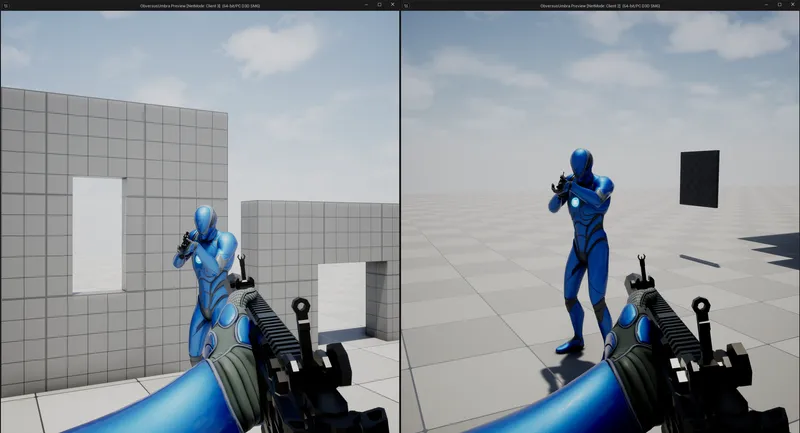
A first person character where one pawn drives both the first person arms and the third person body, with projectile based shooting, vaulting, and ledge climbing.
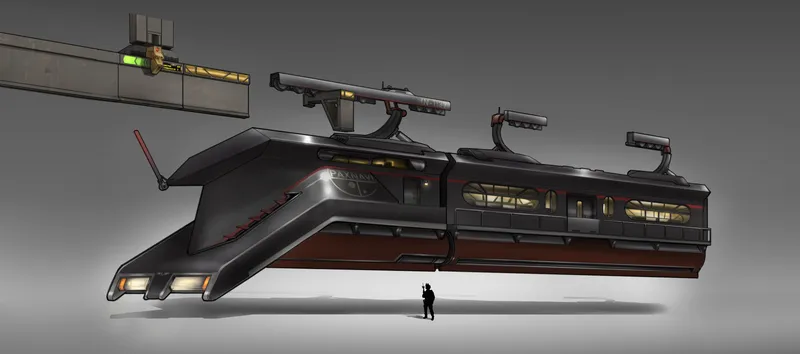
A modular monorail: the rail is a spline a designer draws, stations are placed actors, and the train is built from as many carriages as the level needs.
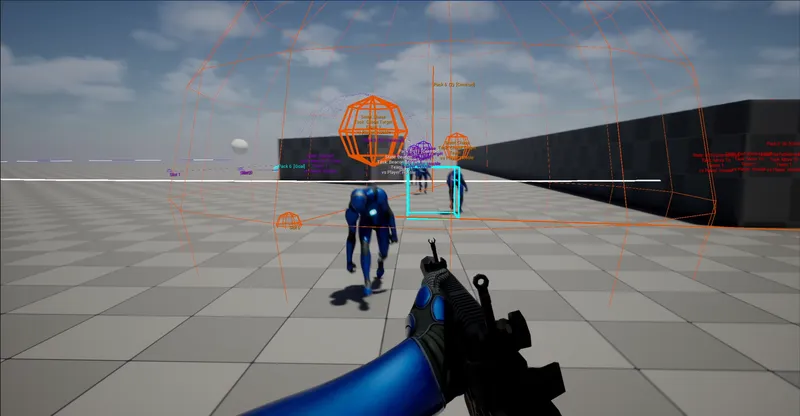
A horde AI in C++ on GAS, State Tree, and EQS: enemy packs merge, travel as one body, and answer an alert together.
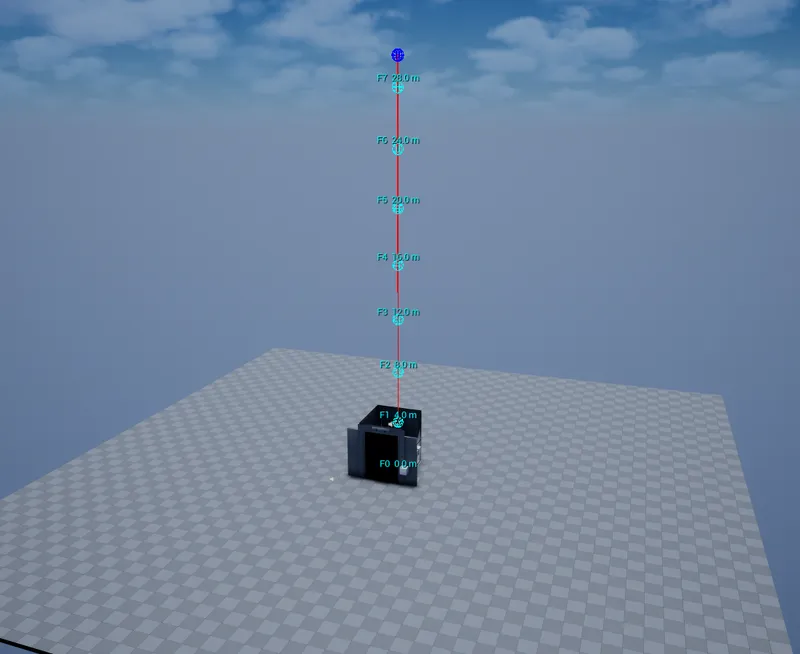
An elevator that thinks like a real one: press a floor and the cabin serves every request it passes on the way there.
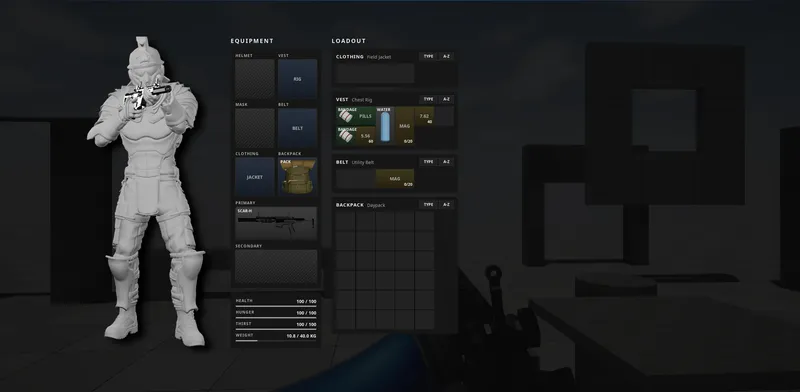
Grid inventory with rotating items, nested containers, caliber based magazines, server validated moves, and persistence.
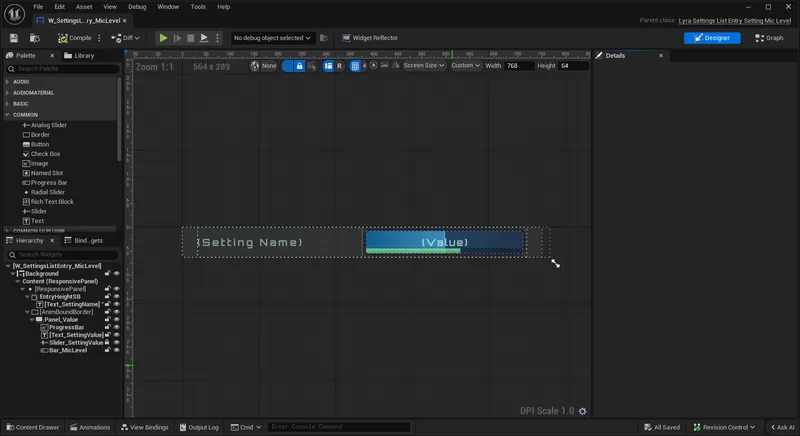
Friends only Steam lobbies with invite overlay, LAN fallback, push to talk, and positional voice that follows the body.
Try a different search or adjust the filters.
June 2024 to Present
Remote · Delaware, US
I worked on Obversus: Umbra, a 20 person multiplayer title in development under NDA, from start to production, leading the programming team, bringing shipping quality features, and resolved critical technical problems. I worked together with developers from Rockstar Games (GTA 6), CD Projekt Red, 2K, Microsoft Flight Simulator, and the Crysis series. Wore multiple hats, solving whatever the project needed across programming, tools, and infrastructure:
November 2023 to February 2024
Acrobat Innovation Technology
Remote

2026
Remote
Freelance work for a Spotify artist who has reached 1.5 million monthly listeners, delivering his website end to end.
2020 to 2024
Tokat Gaziosmanpaşa University
A computer engineering degree gave me the foundation the rest of my work stands on: data structures, algorithms, operating systems and computer architecture. I understand what the CPU and RAM are doing beneath my code. The degree also gave me the mathematics the field runs on, and it was spent building rather than only studying: real projects, delivered with other students, on a deadline.



Alessandro Palagano, Senior Lighting Artist at CD Projekt Red, Art Director at Gringate Studios. Contact on request.
I started using computers at 4 years old and grew up with games and the internet. Making games has been my dream for as long as I can remember. I started making games in high school, and game development has been part of me since then. Along the way I built many projects. Each one taught me something and let me enjoy the process.
I am based in Türkiye and open to remote work, on site work, and relocation. I am also flexible about working hours and time zones.
I go after technical problems early, before they grow. I pinpoint the cause with debuggers and profilers, check assumptions, compare suitable solutions, and consider how a change affects connected systems. I enjoy brainstorming with co workers about possible solutions to a problem, day and night.
I communicate actively and work comfortably across different parts of game development, and with people from different countries. I enjoy explaining technical topics in plain words, so designers and artists can act on them. I have collaborated with engineers, game designers, animators, sound designers, producers, and project leads. I’m familiar with collaboration tools like Jira and Miro. I can speak English and Turkish fluently.
I keep my code clean, readable, and simple. I start with a quick prototype that proves the idea, then add complexity only when the system needs it. Tunable gameplay lives in data, and I expose C++ systems to Blueprints, so designers adjust the game without touching code. I build systems so each owns one job and changing one does not break the rest, and I pick the architecture to fit the task. I fit into a team’s existing coding standards.
I profile before I optimize, using Unreal Insights, C++ profiling macros, and debugging tools to trace CPU cost, memory, and runtime issues. I optimize what measurements prove costly, so every change buys real frame time.
I’ve worked with multiplayer systems many times. I’ve written server authoritative code for safety and client prediction for responsiveness where it fits. I keep multiplayer code compact and optimized, replicating only what’s needed to keep bandwidth manageable.
Rapid prototyping is really important for development to proceed. Aside from the codebase, the game design document also evolves around prototyping. I build a prototype that proves a feature is feasible to extend and polish within hours or days.
I designed animation and audio systems and integrated assets created by animators and sound designers into gameplay. My systems can communicate with Animation Blueprints, MetaSounds, FMOD, and Wwise through GAS. I can set up Linked Anim Layers, which is crucial for scalability.
I can work with or without AI when project requirements or team preferences call for it. I have been programming long before AI was a thing, so I know the necessities of clean architecture and how to scale properly. Whether I use AI or not, I can make clean systems. Reviewing, debugging, profiling, testing is always in programmers hands.
Lyra accelerates the development by giving programmers a base and placeholder assets to work with, which is what makes knowing it valuable. Its codebase brings reusable, production quality multiplayer systems, and its assets stand in until the real art arrives. It is flexible enough to become a game of most genres with any style, and studios across the industry build production games on it. I build these systems from scratch just as comfortably, and use Lyra when it is the faster route or when preferred by the team.